


GCP Optimization and Cross-Cloud Database Migration for Enhanced Performance and Compatibility
Executive Summary: The Strategic Mandate
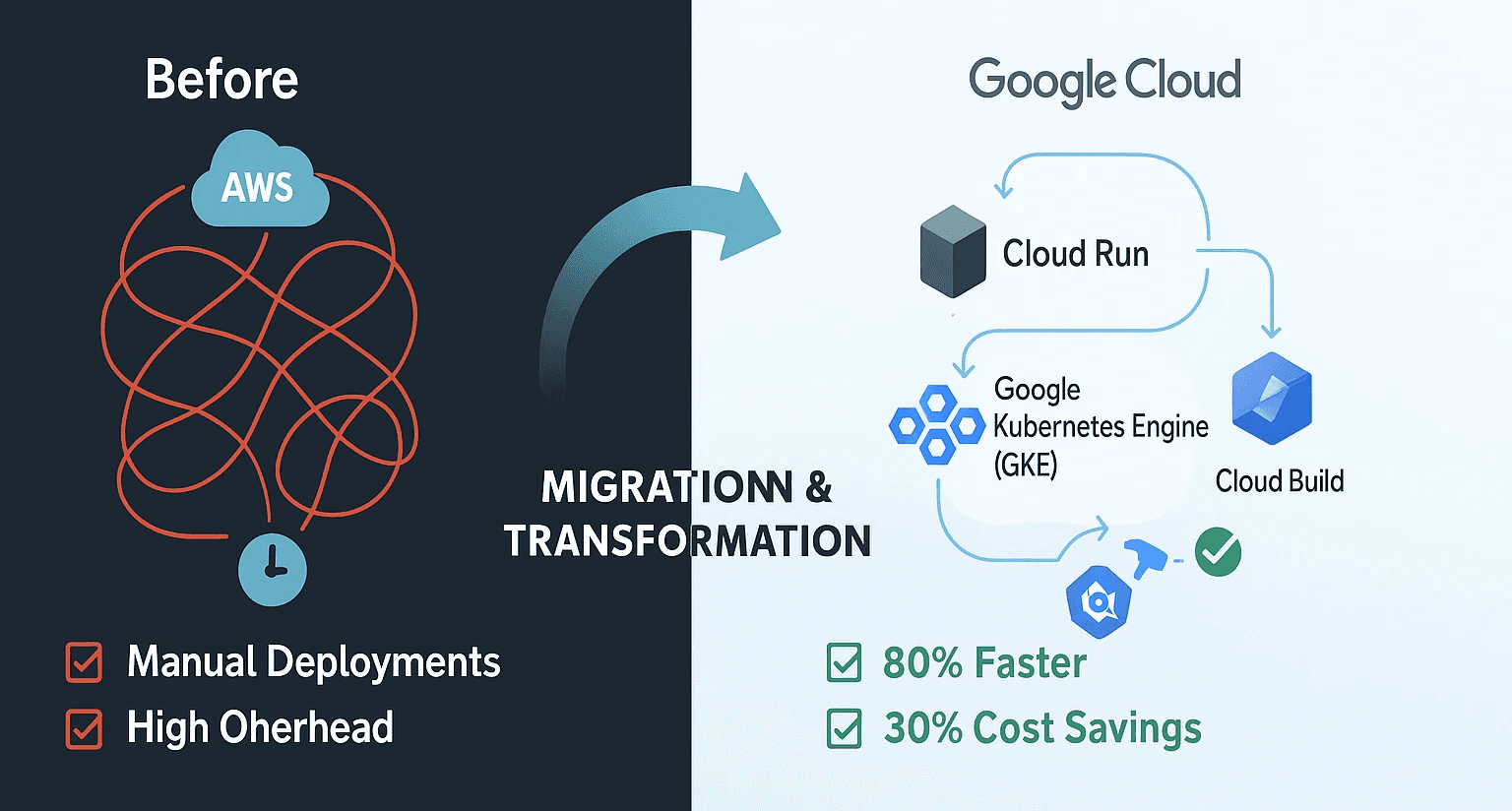
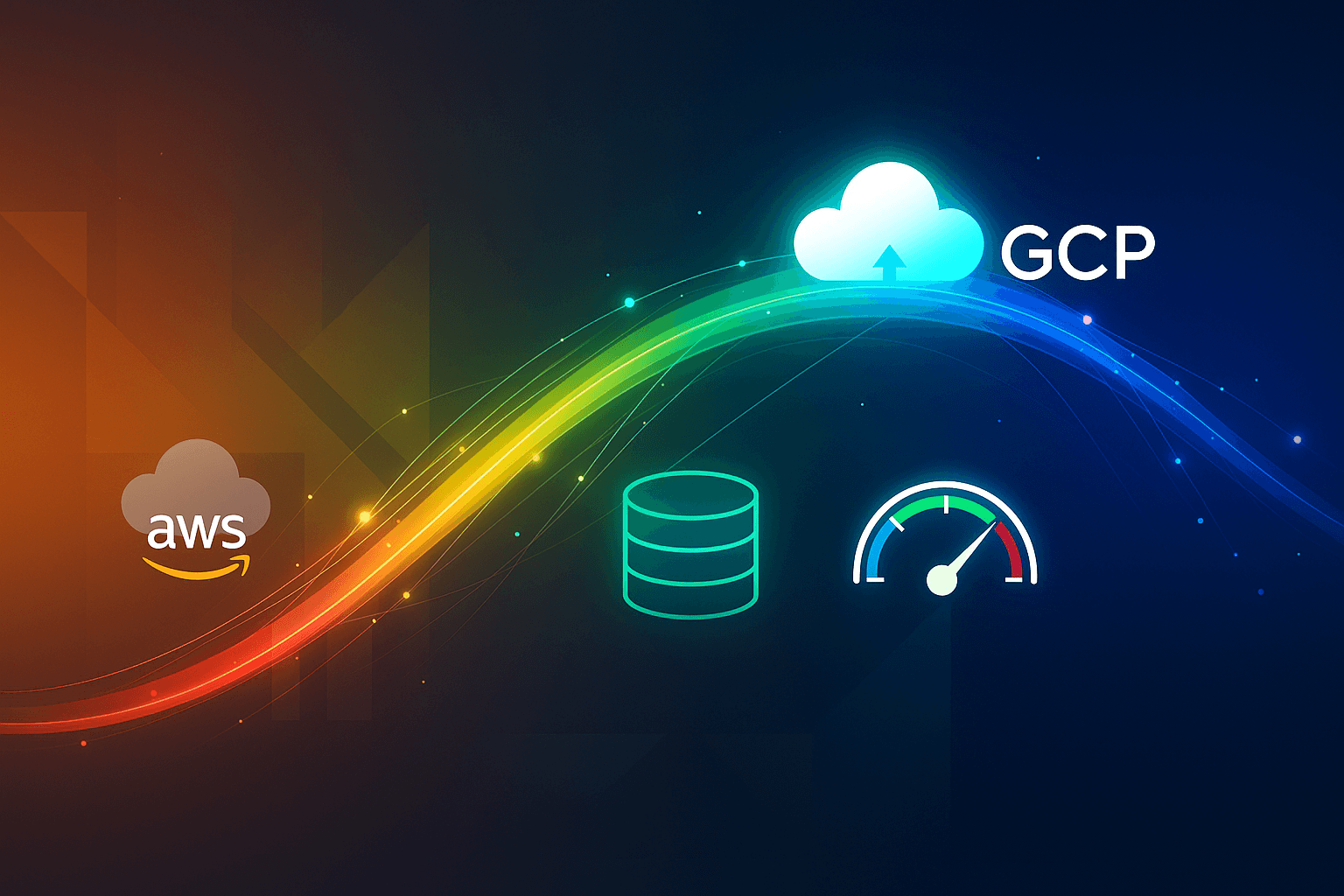
The client, facing performance limitations in their existing cloud environment (AWS EC2) and strategic incompatibility issues during a planned platform consolidation to Google Cloud Platform (GCP), required a multi-faceted approach to modernization. This involved two critical projects:
Project CloudSplit: Resolving critical application/database resource contention to boost performance.
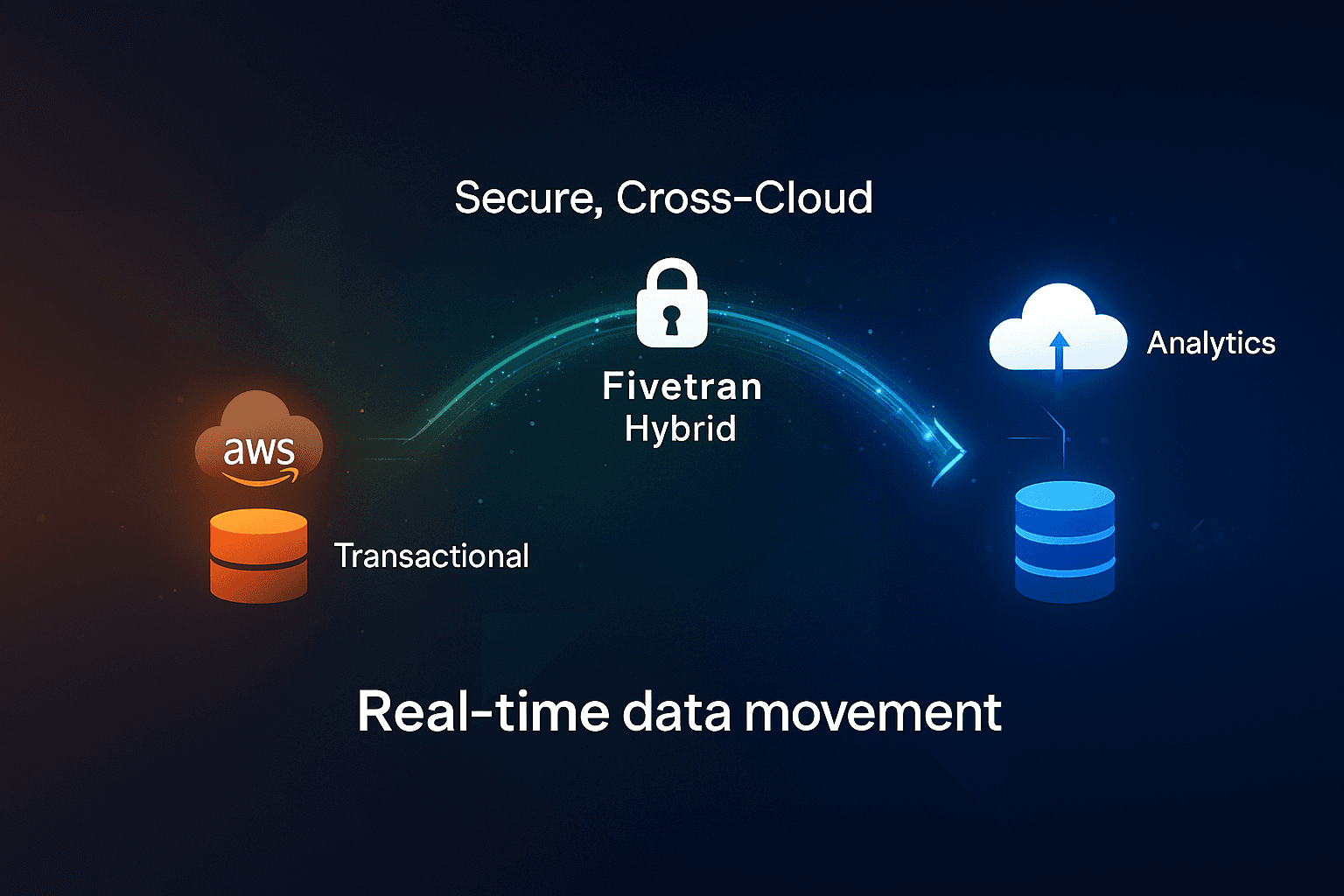
MariaDB Migration: Executing a complex, cross-cloud database migration while preserving MariaDB-specific compatibility.
By implementing a strategic VM separation architecture and a self-hosted, Dockerized MariaDB solution on GCP, we successfully reduced application response time by 45% and ensured 100% database compatibility, laying a resilient foundation for the client's future growth on GCP.
The Customer & Core Challenges
The Customer
The client's internal DevOps, Application, and Database teams needed reliable, high-performance, and scalable infrastructure to support their growing business demands, spanning two distinct but related pain points.
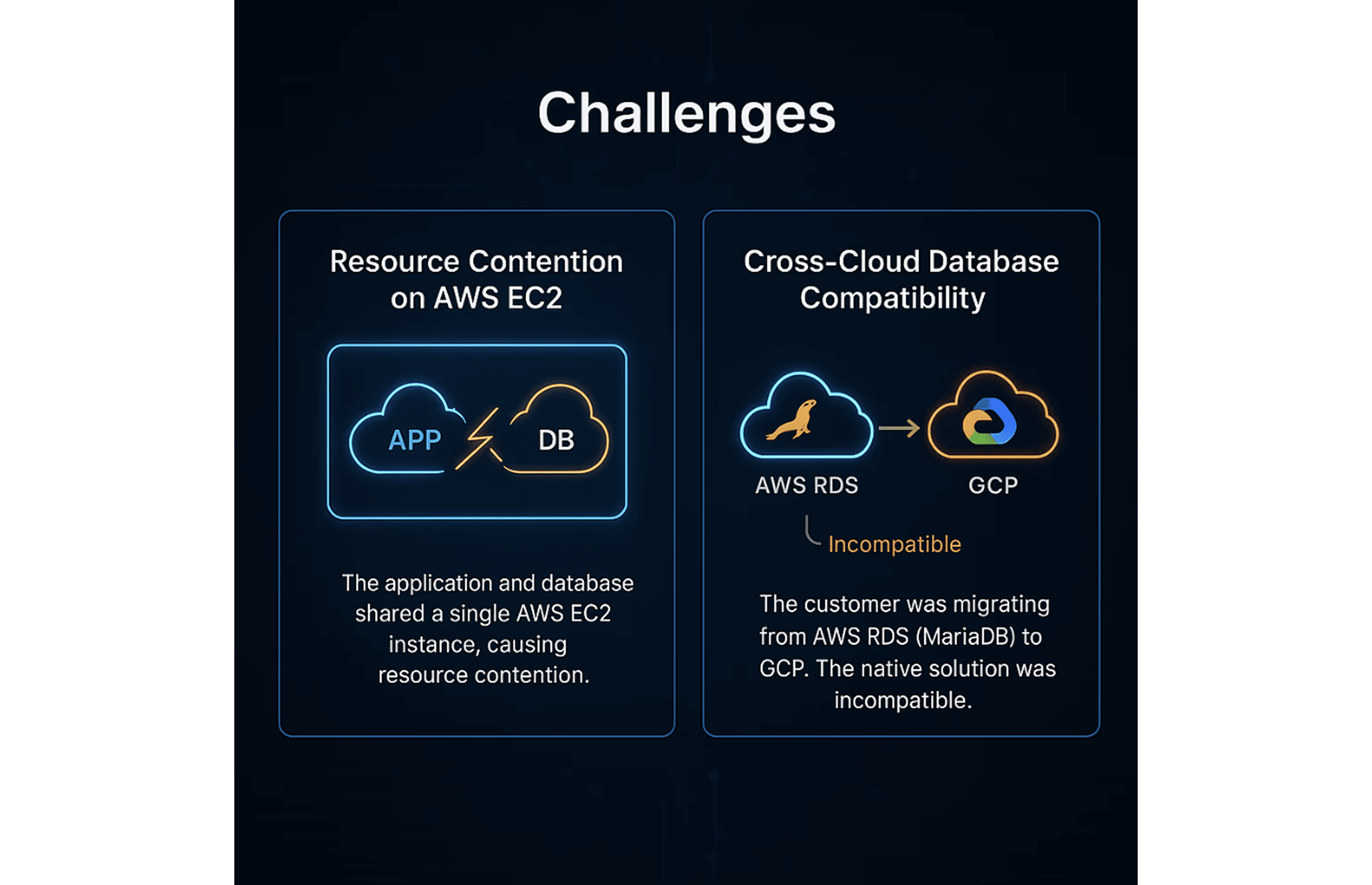
Challenge 1: Resource Contention on AWS EC2 (Project CloudSplit)
Problem: The application and database shared a single AWS EC2 instance, causing resource contention where database queries consumed up to 70% of memory, leading to frequent RAM spikes and performance degradation during peak times.
Limitation: Scaling vertically was inefficient and expensive; maintenance on the single instance caused full system downtime.
Challenge 2: Cross-Cloud Database Compatibility (MariaDB Migration)
Problem: The customer was migrating from AWS RDS (MariaDB) to GCP. The native solution, Cloud SQL for MySQL, was incompatible with the client's existing MariaDB-specific data types and stored procedures.
Constraint: The customer's application layer could not undergo code changes, making direct migration impossible and requiring a custom, compatible solution.
The Solution: A Two-Part Strategic Architecture
The solution involved two simultaneous, complementary infrastructure strategies on GCP:
1. Performance Optimization: Two-Tier VM Separation
To resolve the EC2 performance bottleneck, we designed and deployed a clean, two-tier architecture on GCP Compute Engine:
Decoupling: Application and database workloads were isolated onto independent VMs (App-VM and DB-VM).
Secure Networking: Established a custom GCP VPC with strict Firewall Rules to allow communication only between the two internal IP addresses, ensuring low-latency and enhanced security.
Resulting Benefit: Eliminated performance interference, preventing CPU/memory spikes, and established independent scaling.
2. Compatibility & Control: Dockerized MariaDB Migration
To overcome the compatibility roadblock during the AWS-to-GCP migration, we chose a self-managed, containerized approach:
Compute: Utilized GCP Compute Engine VMs sized equivalently to the source AWS EC2 instances.
Storage: Attached GCP Persistent Disks (PDs) to each VM to ensure data durability, independent persistence, and simplified backup strategies.
Deployment: Deployed official MariaDB Docker images on the VMs, mapping the PDs to the container's data directory. This preserved the MariaDB environment exactly as it was on AWS.
Migration: Executed a seamless migration using the mysqldump logical backup and restore method during an approved downtime window, ensuring data integrity was verified before cutover.
The Impact & Key Business Results
The strategic dual-project approach delivered immediate and long-term value, directly addressing performance and compatibility issues.
Key Area
Result Before
Strategic Solution
Quantifiable Impact
Application Performance
Frequent RAM Spikes & Slowness
VM Separation (CloudSplit)
45% reduction in average response time.
Database Compatibility
Incompatible with Cloud SQL
Dockerized MariaDB on GCE
100% compatibility preserved, avoiding costly application refactoring.
Scalability
Costly Vertical Scaling Only
Decoupled Architecture
Enabled independent, cost-effective scaling of App & DB.
Operational Efficiency
High Downtime Risk
Internal Networking & Docker
Simplified maintenance, reduced troubleshooting time, and improved data isolation.
Infrastructure Control
Limited by Managed Services
Self-Hosted Docker Setup
Provided full control over database engine and configuration.
Conclusion: A Foundation for Resilient Growth
By implementing a tailored infrastructure strategy that prioritized both performance optimization and database compatibility, the client successfully navigated their strategic cloud migration. The resulting GCP architecture - secure, decoupled, and compatible - has become the resilient foundation for future application deployments, ensuring operational control, cost efficiency, and sustained high performance.